Key takeaways
- Analog synthesizers generate sound through continuous electrical signals, which introduces subtle variations and non-linearities that give them their distinctive character.
- Software synths store every parameter in the DAW project file, which gives perfect recall, while older or simpler analog synths require manual adjustment of every knob to recall a sound.
- Professional audio interfaces and optimized drivers can reduce software synth latency to imperceptible levels, for example under 5-10 ms.
- High-end analog polysynths can cost several thousand dollars, while single software synths range from free to a few hundred dollars.
- Sound design skill, arrangement, and mixing and mastering shape sound quality more than whether the source is analog or digital, and a hybrid setup combines the strengths of both.
Analog vs. Software Synths: What Truly Shapes Your Sound Quality
The debate between analog and software synths often boils down to perceived sound quality. However, a deeper dive reveals that “quality” is subjective and multifaceted, encompassing far more than the fundamental signal generation method. For producers navigating investment decisions, understanding these nuances is critical. This article aims to cut through the myths and provide a practical framework for evaluating what truly shapes the sound in your productions, moving beyond the simple analog versus software dichotomy.
Understanding Sound Character and Sonic Impact
When discussing analog versus software, sound character is often the first point of contention. Each category offers distinct sonic characteristics that can significantly influence the overall feel and texture of a track.
Analog Synth Characteristics
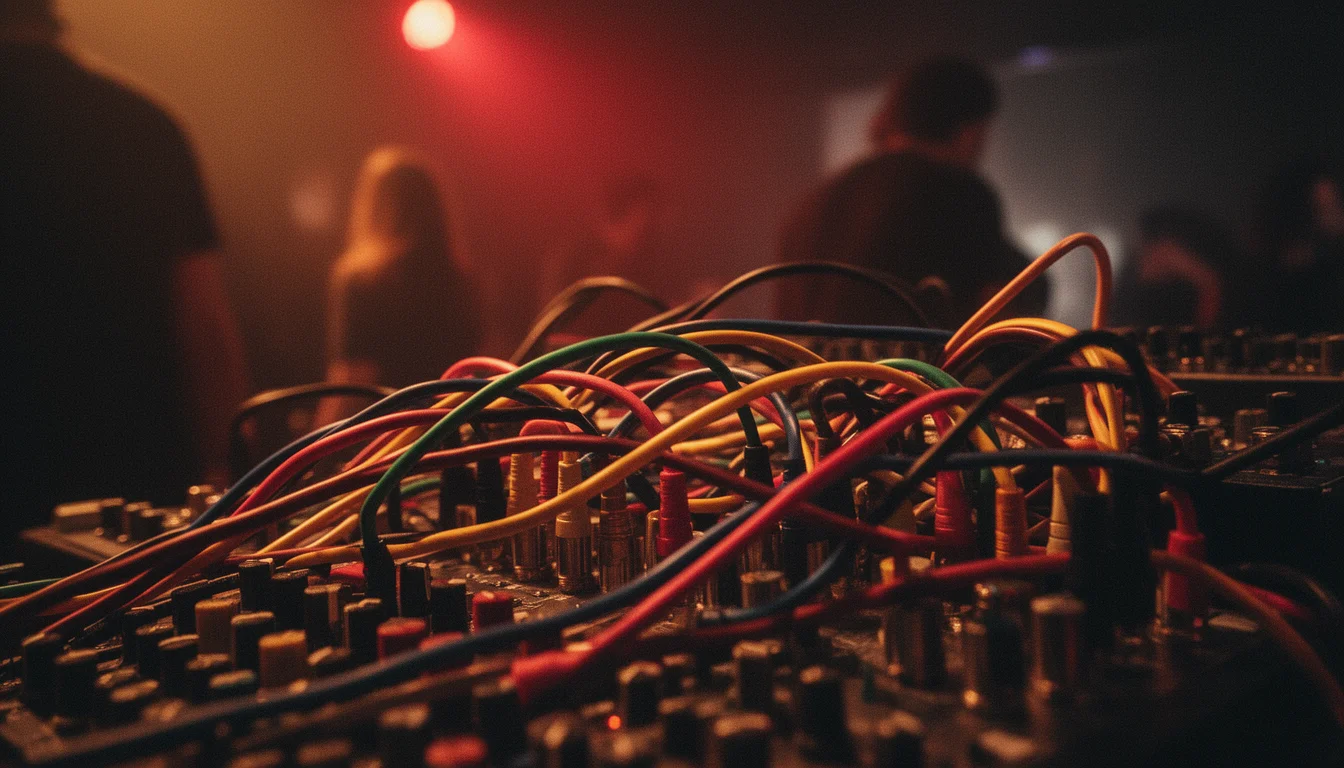
Analog synthesizers generate sound through continuous electrical signals. This process inherently introduces subtle variations and non-linearities that contribute to their distinctive character.
Warmth and Imperfection
Many producers describe analog synths as possessing “warmth,” a subjective term often attributed to the gentle harmonic saturation and subtle, organic drifts in pitch and timbre. These imperfections, often absent in perfectly quantized digital systems, can make sounds feel more “alive” or “organic.” Components like vacuum tubes, transistors, and passive filters contribute to this. The slight variations in component tolerances across different analog units, or even within the same unit over time, mean that no two analog synths will sound exactly alike, even when set identically. This uniqueness can be a significant appeal for those seeking a less sterile, more characterful sound. The low-end response of some analog circuits is also often cited for its perceived “weight” or “fullness,” though this can be subjective and heavily influenced by the specific circuit design.
Dynamics and Transients
The way analog circuits respond to dynamics can also differ. They often exhibit a natural compression or saturation when pushed, which can round off transients in a pleasing way or add grit. This response is a continuous function of the input signal level and the specific characteristics of the analog components. This can lead to a less brittle or harsh sound, particularly at higher volumes or with aggressive modulation. The subtle interaction between gain stages and filters in an analog signal path contributes to a complex, evolving timbre that can be challenging to perfectly replicate digitally.
Software Synth Characteristics
Software synthesizers, or virtual instruments (VIs), generate sound through digital algorithms. This offers a different set of advantages and characteristics.
Precision and Purity
Software synths excel in precision and purity. Digital algorithms can produce perfectly stable pitches and timbres, without the subtle drifts inherent in analog circuits. This can be desirable for genres demanding absolute sonic clarity, sharp attacks, and surgical sound design. The ability to perfectly replicate a sound state allows for consistent and reliable results across different projects or sessions. Modern software often employs sophisticated modeling techniques that attempt to emulate analog characteristics, but the fundamental digital nature offers a level of control and precision that is difficult to achieve with purely analog hardware.
Versatility and Complexity
The digital domain allows for virtually limitless complexity in synthesis architectures. Wave-table, granular, FM, physical modeling, and complex hybrid synthesis methods are often more accessible and deeply integrated within software environments. This enables the creation of sounds that would be impossible or prohibitively expensive to achieve with analog hardware. Software synths can easily incorporate advanced modulation matrices, intricate effects chains, and sophisticated sequencing capabilities, all within a single plugin. This versatility makes them incredibly powerful tools for experimental sound design and complex textural layering. The ability to load custom waveforms or samples into oscillators further expands their sonic palette far beyond traditional analog limitations.
Analog-Modeled Software
A significant category within software synths is analog-modeled VSTs. These aim to digitally simulate the behavior of analog circuits, including their non-linearities and imperfections. Advanced modeling can come remarkably close, especially in blind tests, but some producers still claim a subtle difference in “feel” or “depth” remains. The quality of analog modeling has improved dramatically over the years, with sophisticated algorithms now capable of emulating specific component behaviors, filter characteristics, and even power supply sag. While a perfect one-to-one emulation is theoretically impossible due to the infinite complexity of analog physics, the practical difference in a finished mix is often negligible for many listeners.
Workflow and Hands-On Control
Beyond sound character, the practical aspects of working with synths—workflow and hands-on control—play a crucial role in creative output and ultimately, the perceived quality of the sound in context.
Hardware Synth Workflow
Hardware synths, whether analog or digital, often feature a dedicated control surface with physical knobs, faders, and buttons. This direct, tactile interface can significantly impact the creative process.
Direct Tactile Interaction
The immediate feedback of turning a physical knob and hearing the sound change in real-time can foster a more intuitive and exploratory approach to sound design. It encourages “happy accidents” and a less screen-focused workflow. Many find this hands-on experience more engaging and inspiring. The physical layout of a hardware synth often mirrors its signal flow, making it easier to understand and manipulate complex patches without diving into menus. This directness can speed up the sound design process and allow for more fluid improvisation during performance or recording. The sensory experience of physical controls—the feel of the knobs, the resistance of the faders—is also a factor for some users.
Performance and Jamming
Hardware synths are often well-suited for live performance and jamming. The ability to quickly adjust parameters without looking at a screen facilitates improvisation and dynamic sound manipulation in real-time. This can be crucial for artists who value spontaneity and live interaction with their instruments. Dedicated hardware also often integrates seamlessly into a live setup without the need for complex software routing or computer screens. The reliability of a standalone hardware unit, free from operating system crashes or software conflicts, is also a significant advantage in live contexts.
Software Synth Workflow
Software synths integrate directly into a Digital Audio Workstation (DAW), offering a different set of workflow advantages.
Integration with DAW
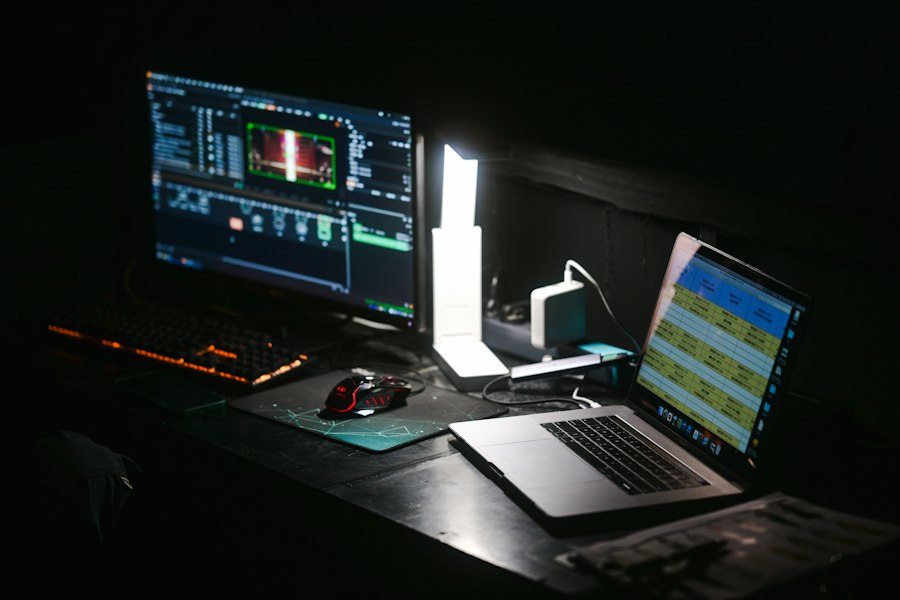
Software synths live inside your DAW, allowing for seamless integration with other plugins, effects, and automation. This eliminates the need for external audio interfaces, MIDI cables, and complex routing, streamlining the overall production process. Patches can be saved directly within your project file, ensuring perfect recall and eliminating setup time between sessions. The ability to quickly duplicate tracks, copy settings, and experiment with different VIs without rewiring anything is a major time-saver. Furthermore, the visual feedback provided by GUI elements, often including real-time waveform displays, spectral analyzers, or modulation visualizations, can aid in understanding and shaping sounds.
Infinite Instances and Experimentation
The ability to open virtually unlimited instances of a software synth within a project allows for extensive layering and experimentation. You can easily duplicate a track, slightly alter a patch, and compare different versions without commitment. This encourages a more fluid and less resource-constrained approach to sound design and arrangement. The cost per instance is also negligible, unlike hardware where acquiring multiple units for layering can be prohibitively expensive. This freedom to experiment widely contributes to a richer and more complex sonic tapestry within a track.
Recall and Automation
The ability to recall a sound perfectly and automate its parameters is a critical consideration for modern music production.
Hardware Synth Recall and Automation
Traditional analog hardware often poses challenges for perfect recall and intricate automation, though modern iterations have addressed some of these.
Manual Recall
Older or simpler analog synths require manual adjustment of every knob and switch to recall a specific sound. This can be time-consuming and often results in slight variations from the original. While some producers embrace these variations as part of the analog charm, it can be a workflow bottleneck for complex projects. Careful photos or detailed notes are often necessary to attempt a precise recall. This manual process can also limit the number of distinct sounds one can easily use within a single track without committing to audio.
MIDI Control and Motorized Pots
Many modern hardware synths, both analog and digital, feature extensive MIDI implementation, allowing parameters to be controlled and automated from a DAW. Some high-end units even incorporate motorized potentiometers or digital encoders to physically reflect the automated values, providing visual feedback. However, fully automating every single parameter on a complex analog synth can still be less straightforward than with software, and parameter resolution might be less granular due to the stepped nature of MIDI CCs compared to internal digital calculations. The integration of MIDI allows for dynamic changes in sound over time, but the physical interface might not always perfectly reflect the automated state unless it has motorized controls.
Software Synth Recall and Automation
Software synths are inherently designed for perfect recall and deep automation integration.
Perfect Recall by Design
Every parameter setting of a software synth is saved within your DAW project file. This ensures perfect, bit-for-bit recall of every sound, every time you open a project. This reliability is a cornerstone of modern production workflows, allowing producers to revisit projects years later with complete sonic integrity. The exact state of the synth, including all its internal modulation routings and effects settings, is preserved. This eliminates the need for extensive note-taking or manual recreation, significantly speeding up project workflows and revision processes.
Extensive Automation
All parameters in a software synth are typically automatable within the DAW, offering unparalleled control over sound evolution throughout a track. You can draw in complex filter sweeps, LFO rate changes, envelope adjustments, and modulation depths with sample-accurate precision. This level of dynamic control is a key factor in creating evolving, expressive, and detailed soundscapes that would be impractical or impossible with purely manual hardware manipulation. The ability to visualize automation curves alongside other track data also aids in finely sculpting the sonic progression of a piece.
Cost, Maintenance, and Resource Consumption
The practicalities of cost, maintenance, and system resources are often overlooked but significantly impact the overall value proposition of analog vs. software.
Hardware Synth Costs and Maintenance
Hardware synths represent a physical investment with ongoing considerations.
Initial Cost and Depreciation
Analog hardware synths generally have a higher initial purchase price than comparable software solutions. High-end analog polysynths can cost several thousand dollars. While some vintage analog gear can appreciate in value, many modern synths will depreciate. The investment is often seen as a tangible asset, but it requires careful consideration of budget. Digital hardware synths often fall into a similar price bracket, sometimes offering more features for the cost due to the nature of digital componentry.
Maintenance and Space
Analog synths, especially vintage units, may require periodic maintenance, calibration, or component replacement. This can involve specialized technicians and additional costs. They also occupy physical space in a studio, which can be a limiting factor for some producers. Environmental factors like temperature and humidity can also influence the stability and longevity of analog components. Modern analog synths are generally more reliable but still represent a physical object that can be damaged or require servicing.
Power Consumption and Latency
Hardware synths require their own power supply, contributing to overall studio energy consumption. They typically introduce minimal latency because the audio signal is generated directly by the hardware and isn’t subject to software buffering. This directness is often cited as an advantage for real-time playing, though modern low-latency audio interfaces can make this difference negligible for software. The latency experienced with hardware is primarily dependent on the audio interface and DAW settings, rather than the synth itself.
Software Synth Costs and Resource Consumption
Software synths offer a different financial and resource profile.
Lower Initial Cost
Software synths typically have a much lower entry cost. Single VSTs can range from free to a few hundred dollars, and often come bundled with DAWs or in subscription packages. This makes them highly accessible for producers on a budget or those looking to explore a wide range of sonic options without significant upfront investment. Sales and bundles further reduce the cost barrier, allowing for extensive virtual instrument libraries to be built affordably.
CPU and RAM Usage
Software synths run on your computer’s CPU and consume RAM. Complex patches or multiple instances can strain system resources, potentially leading to dropouts, glitches, or increased latency if your computer isn’t powerful enough. However, continuous advancements in CPU performance and software optimization mean that modern computers can handle increasingly demanding plugin loads. Producers need to balance the desired sonic complexity with their system’s capabilities. CPU usage varies greatly between VSTs, with some being highly optimized and others more resource-intensive due to advanced modeling or numerous effects.
Latency
Software synths inherently introduce some degree of latency due to the digital audio buffering process. This latency is usually adjustable via your audio interface settings. While professional audio interfaces and optimized drivers can reduce latency to imperceptible levels (e.g., under 5-10ms), it’s a consideration for real-time playing, especially for highly sensitive performers. The perceived latency is also dependent on the round-trip time, which includes both the input and output buffer sizes, as well as any processing delays from effects plugins.
Beyond the Analog/Software Question: What Truly Matters
While the characteristics of analog and software synths are important, focusing too much on this binary choice can obscure what truly shapes sound quality in a compelling production. The most expensive analog synth or the most advanced software isn’t a shortcut to great sound.
Sound Design Skill
This is paramount. A skilled sound designer can create incredibly rich, expressive, and unique sounds with even the simplest tools, whether analog or software. Understanding synthesis principles (subtractive, additive, FM, granular, wavetable), mastering envelopes, LFOs, filter types, and modulation routing are far more impactful than the source of the signal. The ability to sculpt a sound to fit a specific musical context, to give it character, movement, and a unique place in the mix, requires deep knowledge and practice. No synth, analog or digital, will sound good if you don’t know how to use it effectively. Experimentation, critical listening, and a comprehensive understanding of how different parameters interact are crucial skills that transcend the hardware/software debate.
Arrangement and Composition
The most beautiful sound design can be wasted if the arrangement is weak or the composition is uninspired. How sounds are layered, how they interact harmonically and rhythmically, and how they evolve over time within the structure of a track profoundly impacts the perceived quality. A well-arranged piece can make simple sounds compelling, while a cluttered or poorly structured piece can make even the most impressive individual sounds feel underwhelming. The interplay between different sonic elements – basses, leads, pads, percussion – and how they support the melodic and harmonic content of a track is critical. Good arrangement ensures that each sound has a purpose and contributes meaningfully to the overall musical narrative, elevating the impact of individual sound design choices.
Mixing and Mastering
A raw synth sound, regardless of its origin, rarely makes it into a final track without significant processing. Professional mixing (EQ, compression, reverb, delay, saturation, spatialization) shapes the sounds to sit together coherently, providing clarity, punch, and depth. Mastering then provides the final polish, ensuring optimal loudness, stereo image, and tonal balance across the entire track. A well-mixed and mastered track can elevate sounds from any source, making them sound polished and professional. Conversely, a poorly mixed track can make even the most pristine analog sounds sound amateurish. The skills of proper gain staging, understanding frequency relationships, managing dynamics, and applying effects judiciously are arguably more critical to overall sound quality than the fundamental synth architecture. These processes define how a sound translates across different playback systems and ultimately, how it is perceived by the listener.
Hybrid Setups: Best of Both Worlds
Many professional studios and producers adopt a hybrid approach, integrating both analog and software elements into their workflow. This strategy seeks to leverage the strengths of each.
Combining Strengths
A hybrid setup allows producers to use analog hardware for sounds where its specific character is desired (e.g., basslines, lead synths needing a particular grit or warmth) and software for tasks where its versatility, recall, and processing power are paramount (e.g., complex pads, layered textures, extensive automation, effects processing). For example, an analog synth might be used for its distinctive filter and oscillator character, while a software sampler or wavetable synth handles intricate melodic lines or evolving soundscapes. This allows for a diverse sonic palette without being limited by the constraints of a single paradigm.
External Processing and Re-Amping
Even if a sound originates in software, it can be routed through analog outboard gear (compressors, EQs, preamps, guitar pedals) to impart analog character. Similarly, analog synth outputs can be further processed with high-quality software effects. This “re-amping” or external processing can bridge the gap, adding analog warmth or saturation to digital sounds, or extending the sonic possibilities of hardware through digital means. The interplay between these domains can create unique sonic textures that might not be achievable solely within one environment. This flexibility allows producers to adapt their sound to the demands of specific genres or artistic visions, drawing from the strengths of both worlds.
Summary: It’s About the Craft, Not Just the Tool
The debate between analog and software synths is often oversimplified. Both offer distinct sonic characteristics, workflow advantages, and cost implications. Analog synths often provide a unique “warmth” and tactile experience, though with higher costs and recall challenges. Software synths offer unparalleled versatility, perfect recall, and deep automation at a lower cost, but rely on CPU power.
Ultimately, the perceived “quality” of sound is less about the inherent nature of the synth (analog or digital) and more about the skill of the producer. Sound design prowess, thoughtful arrangement and composition, and professional mixing and mastering are the dominant factors that truly shape the sonic impact of a track. A hybrid approach often represents the most practical and creatively liberating path for modern producers, allowing them to harness the best attributes of both worlds. Investing in your skills will always yield greater returns than any specific piece of hardware or software.
FAQs
What are the main differences between analog and software synthesizers?
Analog synthesizers generate sound using voltage-controlled oscillators, filters, and amplifiers, resulting in a warm, rich tone. In contrast, software synthesizers use digital signal processing to create sound, allowing for more complex modulation and effects but sometimes lacking the organic feel of analog. Both types can produce a wide range of sounds, but their methods of sound generation and manipulation differ significantly.
How does the sound quality of analog synths compare to software synths?
Sound quality can be subjective and depends on personal preference. Analog synths are often praised for their warmth and depth, attributed to their continuous waveforms and natural imperfections. Software synths can achieve high fidelity and precision, but some users feel they lack the character of analog sounds. Ultimately, the best choice depends on the desired sound and context of use.
Are analog synthesizers more expensive than software synthesizers?
Generally, analog synthesizers tend to be more expensive due to the cost of physical components and manufacturing. High-quality analog synths can range from hundreds to thousands of dollars. In contrast, software synthesizers are typically more affordable, often available for a one-time purchase or subscription model, making them accessible to a wider range of users.
Can software synthesizers replicate the sound of analog synths?
Many software synthesizers are designed to emulate the characteristics of analog synths, using various algorithms and modeling techniques. While they can closely mimic the sound and behavior of analog devices, some purists argue that they still lack the unique nuances and imperfections found in true analog synthesis. However, advancements in technology continue to improve the authenticity of these emulations.
What factors should I consider when choosing between analog and software synths?
When choosing between analog and software synths, consider factors such as budget, desired sound characteristics, portability, and workflow preferences. If you value tactile control and a specific sound quality, an analog synth may be preferable. Conversely, if you prioritize versatility, ease of use, and a lower price point, a software synth might be the better option for your needs.