
Key takeaways
- BPM is a quantitative measure of tempo, while energy is a qualitative measure of intensity, drive and emotional impact.
- Most BPM changes in a DJ set should be gradual, such as a ramp of 1-2 BPM over several tracks, with a 3-5 BPM jump reserved for a deliberate “gear shift”.
- A set can open in the 120-125 BPM range and raise its energy gradually over the first 20-30 minutes rather than starting at peak intensity.
- Instead of holding peak energy all night, a set works better as a series of peaks and valleys that give the crowd contrast.
- Transitions should ideally happen at the beginning or end of a musical phrase, such as an 8-, 16- or 32-bar section.
The Dance Floor as a Living Organism
Understanding the crowd is not a mystical art; it’s a learned skill, honed through observation and a willingness to adapt. The dance floor is a dynamic entity, constantly shifting in mood, energy, and receptiveness. Each individual contributes to a collective consciousness, and a good DJ learns to tap into this. This means looking beyond individual dancers to the overall flow, the ebb and tide of the room. It’s about feeling the temperature, not just seeing it. This section focuses on the practical, real-time aspects of perceiving these subtle shifts.
Visual Cues: Beyond Just Dancing
Visual cues are the most immediate indicators of crowd engagement. However, it’s crucial to differentiate between general movement and true engagement. People can be dancing without being connected to the set.
Observing Body Language
Body language speaks volumes. Look for open, expansive movements versus closed-off or stiff postures. Are people facing the DJ booth, or are they clustered in their own groups, backs to the booth? Are heads nodding in unison, or are people just swaying? Arms in the air, hands clapping, shouts of approval – these are obvious signs of connection. Less obvious but equally important are subtle shifts: a collective lean forward, a sudden burst of energy from a specific section of the floor, or a general loosening of shoulders. A crucial indicator is eye contact; if people are looking at you with a smile or a nod, you’ve established a connection.
Analyzing Group Dynamics
The dance floor isn’t a monolith; it’s composed of smaller groups and individuals. Observe how these groups interact with the music. Are certain groups more receptive to specific tracks or styles? Are there pockets of energy that can be expanded, or areas that seem disengaged? Sometimes, a single enthusiastic dancer can spark a larger reaction. Identify these “catalysts” and consider how to leverage their energy. Conversely, a group talking loudly or constantly looking at their phones can be a drain on the overall vibe; acknowledge their presence but don’t let them dictate the overall mood.
Recognizing the “Head Nod” Test
This is a simple but effective technique. When a track drops or a new section begins, observe how many people involuntarily nod their heads to the beat. This isn’t about wild dancing; it’s about that primal, instinctive recognition of a groove. A high percentage of head nods indicates strong track selection and a crowd that’s locked in. If head nods are sparse, it might be time to rethink the direction. This test is particularly useful during early sets or when transitioning between different energy levels.
Auditory Cues: Beyond the Monitor
While your monitor mix is essential for your own performance, the sounds emanating from the crowd provide critical feedback.
Listening for Vocal Reactions
Cheers, whistles, shouts, and applause are direct indicators of appreciation. Pay attention to when these reactions occur. Is it at the drop, during a specific breakdown, or at the end of a track? This tells you what elements of the music resonate most deeply. A collective groan when a track ends suggests they wanted more; enthusiastic applause indicates a successful closing. Sometimes, it’s not a shout but a collective murmur of approval or even a surprised gasp that signifies a successful choice.
Detecting the Footfall Rhythm
The sound of feet hitting the floor, particularly on wooden surfaces, can offer a subtle but powerful insight. When the energy is high and people are truly dancing, the footfall will be consistent, rhythmic, and heavy. As energy dips, the footfall might become sporadic, lighter, or even disappear as people stop dancing to talk. This requires careful listening, often by momentarily cutting the monitors or fading the main output slightly to isolate the crowd sound.
The “Buzz” of Conversation
A low hum of conversation is normal, especially early in a set. However, an increase in conversational volume, particularly over the music, is a strong indicator that the energy is dropping, or the music isn’t engaging enough. Conversely, when the music truly hits, conversation often fades as people become absorbed in the moment. This is a delicate balance; you want enough energy to encourage conversation, but not so much that it becomes the primary focus.
Crafting the Narrative: Set Structure and Pacing
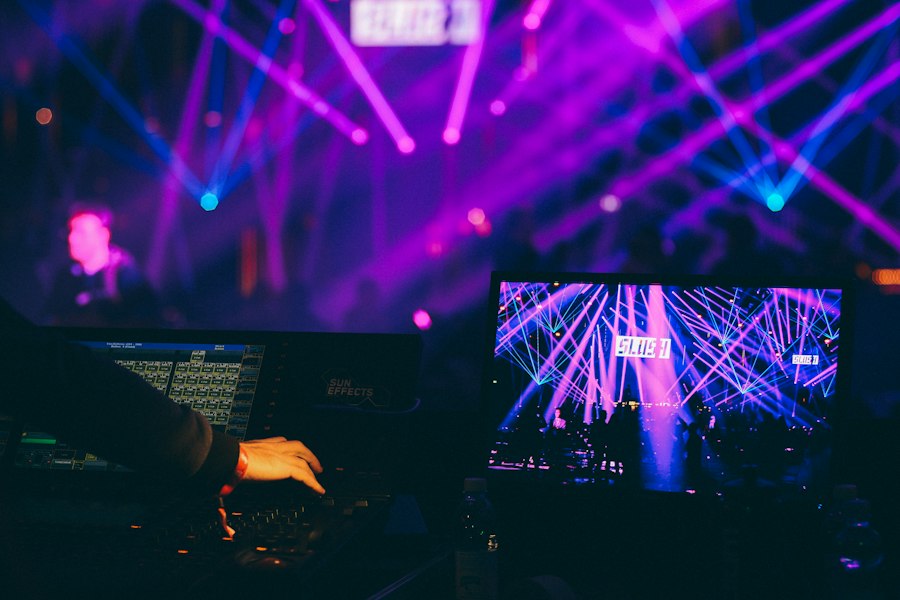
A DJ set is a story, and every good story has a beginning, a middle, and an end. The art lies in how these chapters unfold, the rising and falling tension, and the ultimate climax. This section outlines a structured approach to designing the arc of a set, understanding that flexibility is always paramount.
The Opening Chapter: Setting the Stage
The start of a set is crucial for establishing connection and setting the mood. It’s not about immediately reaching peak energy, but about building anticipation and inviting the crowd into your sonic world.
Establishing the Vibe and Sound Palette
The first few tracks define your initial statement. They should clearly communicate the style and mood you intend to explore. This isn’t the time for obscure left-field experiments unless that’s your explicit intention for the entire night. Select tracks that are accessible, grooving, and hint at the journey ahead. Consider the overall context: opening for another DJ, a prime-time slot, or a closing set will all demand different approaches. My own habit is to select tracks that are undeniably solid, instantly recognizable in their groove, but not necessarily chart-toppers.
BPM and Energy Ramp-Up
Begin with a comfortable, mid-tempo range. For most electronic genres, this might be 120-125 BPM. The goal is to gently warm up the room, not to immediately blast off. The energy should gradually increase over the first 20-30 minutes, adding layers of intensity rather than abrupt jumps. Think of it as a slow, steady incline. Avoid starting too fast; it leaves no room to build and can quickly burn out the early crowd. Conversely, starting too slow can lead to an empty dance floor.
Inviting Participation
The opening tracks should be inviting, encouraging people to move, to chat, and to settle in. They shouldn’t be overly challenging or demanding. Focus on grooves that are infectious and rhythms that are easy to follow. A strong bassline and a clear beat are your friends here. The aim is to create an atmosphere where people feel comfortable and eager to explore the rest of the night. This is about building trust and demonstrating your ability to guide them.
The Core Narrative: Sustaining and Elevating
Once the initial connection is made, the middle section of the set is where the real exploration happens. This is where you can showcase your range, build momentum, and create unforgettable moments.
Dynamic Energy Flow: Peaks and Valleys
A common mistake is to try and maintain peak energy throughout the entire set. This is unsustainable and leads to crowd fatigue. Instead, think in terms of peaks and valleys. Build energy steadily, hit a peak, then allow for a slight dip – a moment of respite – before building to the next peak. These “valleys” can be achieved with slightly more atmospheric tracks, deeper grooves, or a minor BPM reduction. The key is that even in the valleys, the groove and engagement should remain. These dips create contrast and make the subsequent peaks feel even more impactful.
Storytelling Through Track Sequencing
Each track should flow logically into the next, contributing to the overarching narrative. Consider the emotional arc of your selections. Are you building tension? Creating euphoria? Exploring introspection? Think about key changes, rhythmic patterns, and melodic themes. A common technique is to group tracks that share similar sonic characteristics or emotional qualities, then introduce a contrasting element to shift the narrative. Avoid jarring transitions unless specifically intended for dramatic effect.
Strategic Use of Genre and Style Shifts
While maintaining a cohesive sound is important, introducing subtle shifts in genre or style can keep the set fresh and engaging. This doesn’t mean jumping from techno to reggae. It means exploring different facets of your chosen genres. For example, moving from a driving techno track to a more soulful house groove, or introducing elements of acid into a progressive set. These shifts should feel natural and organic, expanding the sonic landscape rather than disrupting it. My personal approach is to identify tracks that share a common underlying energy, even if their surface-level genres differ.
The Climax and Conclusion: Leaving a Lasting Impression
The end of a set is as important as the beginning. It’s your final statement, the memory you leave with the audience.
Building to the Apex
The final act should build to a memorable climax. This is where you bring out your most impactful tracks, the ones that consistently deliver a powerful reaction. The energy should be at its highest, the crowd fully immersed. This sustained peak can last for 20-30 minutes, depending on the overall set length. Focus on tracks with strong hooks, driving rhythms, and a sense of celebratory release.
The Wind-Down and Goodbye
After the peak, a gradual wind-down is essential. Don’t end abruptly. Slowly reduce the BPM and energy over the final few tracks. Introduce more atmospheric, melodic, or even slightly melancholic elements. This allows the crowd to transition out of the intense energy, cool down, and reflect on the experience. The final track should be memorable, leaving a lingering impression, but not necessarily a peak-time banger. It can be something beautiful, something reflective, or something with a strong, definitive ending.
Curating the Final Impression
The very last moments are crucial. As the music fades, acknowledge the crowd. A simple wave, a smile, a thank you. This personal touch reinforces the connection you’ve built throughout the set. The final impression should be one of satisfaction, a feeling that they’ve been on a complete journey.
BPM and Energy: The Unseen Controls
BPM is a numerical value, but energy is a feeling. A slow track can have immense energy, and a fast track can be monotonous. Mastering the interplay between these two elements is central to dynamic set programming.
Understanding the Difference: BPM vs. Energy
BPM (Beats Per Minute) is a quantitative measure of tempo. Energy is a qualitative measure of intensity, drive, and emotional impact. A minimal techno track at 128 BPM might feel more energetic than a deep house track at 130 BPM due to its rhythmic complexity, bassline intensity, or hypnotic qualities. Conversely, a soulful house track at 125 BPM can carry more emotional energy than a fast, repetitive trance track. The skill is in knowing how to manipulate both to achieve the desired effect.
BPM Ranges and Their Psychological Impact
Different BPM ranges evoke different feelings and encourage different types of movement.
| BPM Range | Common Feeling/Movement | Typical Genres (Examples) |
|---|---|---|
| 110-120 | Groovy, warm-up, conversational | Downtempo, Deep House, Soulful House |
| 120-125 | Comfortable, rhythmic, building | House, Melodic Techno, Indie Dance |
| 125-130 | Driving, peak-time, intense | Techno, Progressive House, Trance |
| 130+ | Hypnotic, relentless, raw | Hard Techno, Industrial, Psytrance |
These are general guidelines, not strict rules. A good DJ understands that these ranges are starting points for exploration. Moving within a range, or making calculated jumps, is what creates dynamism.
Manipulating Energy Without Drastic BPM Shifts
You don’t always need to change BPM to change energy.
Adding or Subtracting Elements
Introducing a new melodic element, a percussive layer, or a vocal can instantly elevate energy. Conversely, stripping back elements – dropping the bassline, removing hi-hats, or entering a minimalist breakdown – can reduce energy, creating space and anticipation. This is often more effective than simply speeding up or slowing down.
Track Structure and Dynamics
Select tracks that inherently have dynamic range. Tracks with strong builds, impactful drops, and periods of introspection will do more for energy manipulation than flat, unvarying selections. Pay attention to how a track’s internal dynamics can contribute to the overall energy arc of your set. A track with a long, drawn-out breakdown followed by a powerful drop can re-energize a sagging dance floor, even if its BPM remains constant.
Harmonic Content and Emotional Resonance
Minor keys often evoke introspection or melancholy, while major keys tend to sound more uplifting or celebratory. Using harmonic shifts can subtly alter the emotional energy of the room, even if the BPM stays the same. A well-placed track in a contrasting key can act as a palette cleanser, preparing the audience for a new emotional direction.
Strategic BPM Adjustments
While subtle shifts are key, sometimes a more direct BPM adjustment is necessary.
Gradual Ramps and Dips
Most BPM changes should be gradual, often imperceptible to the casual listener. A slow, steady ramp up of 1-2 BPM over several tracks or a gentle dip of 0.5 BPM can guide the crowd without feeling abrupt. This is about subtly adjusting the overall momentum.
The “Gear Shift” Moment
Occasionally, a more significant BPM jump (e.g., 3-5 BPM) can be used as a “gear shift” to re-invigorate a set or move into a new segment. This needs to be carefully executed, usually with a track that has strong rhythmic content that can bridge the gap, or during a breakdown that allows for a new tempo to establish itself. This is a deliberate choice, not an accidental jump.
Contextual BPM: Adapting to the Room
The ideal BPM range will vary depending on the venue, time of night, and specific crowd. A daytime outdoor gig will often feel better with slightly slower BPMs than a late-night, dark club environment. Always be prepared to adjust your planned BPMs based on real-time crowd feedback. My own internal rule is to always prioritize the feeling over the number on the display.
Track Selection: The Heart of the Matter
Your music library is your toolkit, and track selection is how you wield those tools to sculpt the energy and tell your story. This goes beyond simply having “good” tracks; it’s about having the right tracks for the right moment.
Building a Versatile Music Library
A diverse, well-organized library is fundamental. It allows for flexibility and responsiveness.
Curating Beyond Personal Taste
While your personal taste forms the core of your library, you need to curate beyond it. Include tracks that you might not personally listen to at home but know will work on a dance floor. This means having tracks that cater to different energy levels, moods, and even sub-genres within your broader style. The goal is to have options, not just favorites. Regularly updating and refreshing your library is also crucial.
Organizing for Quick Retrieval
Effective organization is non-negotiable. Use robust tagging systems, smart playlists, and clear folder structures. Categorize by energy level (e.g., “warm-up,” “mid-peak,” “climax,” “tool”), mood (e.g., “dark,” “uplifting,” “groovy”), key, and even specific elements (e.g., “strong bassline,” “vocal hook”). During a live set, you need to be able to find the perfect track within seconds. My own setup uses a combination of hierarchical folders and color-coded tags in rekordbox to instantly identify tracks suitable for different parts of the night.
“Utility” Tracks and Tools
Keep a selection of “utility” tracks or “tools.” These are often instrumental loops, acapellas, rhythmic elements, or even specific sound effects that can be layered over existing tracks to add energy, change the vibe, or transition smoothly. These are not full tracks but sonic textures that enhance your selections. They are invaluable for bridging gaps or injecting a specific feel without playing a new full track.
The Art of Pre-Selection and “Reading the Room”
While spontaneity is important, having a pre-selected pool of tracks offers a safety net and a clear direction.
Preparing “Roadmap” Playlists
Before a gig, create a few “roadmap” playlists. These aren’t rigid set lists but rather collections of tracks suitable for different phases of the night: an opening playlist, a few peak-time options, a late-night deep selection, and a closing collection. This provides a framework without limiting your ability to improvise. It’s like having several well-stocked kitchens rather than a single fixed menu.
Identifying “Bridges” and “Breakers”
Identify tracks in your library that can act as “bridges” – tracks that smoothly transition between different energy levels or moods. Also, identify “breakers” – tracks that can instantly reset or re-energize a lagging crowd, perhaps with a distinctive hook or a sudden, unexpected twist. Knowing these tracks empowers you to react effectively.
Adapting to the Unforeseen
The most crucial skill is to let go of your pre-conceived notions and truly respond to the crowd. If your planned “peak-time banger” is falling flat, be ready to switch gears. If the crowd is responding exceptionally well to a deeper groove, lean into that. This means having enough musical knowledge and options in your library to pivot quickly. Trust your instincts, but back them up with actionable alternatives.
The Role of Loops, FX, and Acapellas
Beyond simply playing tracks, using additional elements elevates track selection to sound design.
Creative Looping and Editing
Looping sections of tracks, particularly breakdowns, rhythmic elements, or vocal snippets, can extend their impact or create new transitions. Live looping allows you to create unique edits on the fly, adapting the music specifically to the current moment. This adds a layer of originality and responsiveness.
Strategic Use of Effects (FX)
Effects like delay, reverb, flanger, and filters are not just for flashy moments. Used subtly, they can build tension, create atmosphere, emphasize certain elements, or smooth out transitions. Overuse of FX, however, can be distracting and diminish their impact. Think of FX as spices – a pinch can enhance the dish, but too much ruins it.
Integrating Acapellas and Samples
Layering acapellas or short vocal samples over instrumental tracks can add a completely new dimension, inject emotional resonance, or create unexpected juxtapositions. Be mindful of key and rhythm when layering; clashes can be jarring. This requires a well-curated library of clean, isolated vocals. Used sparingly and intelligently, acapellas can be a powerful tool for personalization and crowd engagement.
Transitions: Seamless Flow and Impact
| Metric | Description | Measurement Method | Typical Range | Application in DJ Set Planning |
|---|---|---|---|---|
| Audience Engagement Level | Degree to which the crowd is actively participating (dancing, cheering) | Visual observation, crowd noise level | Low, Medium, High | Adjust energy by increasing or decreasing tempo and intensity |
| Dance Floor Occupancy | Percentage of the crowd on the dance floor | Visual estimation or video analysis | 0% – 100% | Indicates when to introduce peak energy tracks or slow down |
| Song BPM (Beats Per Minute) | Speed of the track being played | Track metadata or DJ software | 60 – 140+ BPM | Used to control energy flow and match crowd mood |
| Energy Level of Tracks | Intensity and vibe of the music (bass, rhythm, melody) | Track analysis, DJ experience | Low, Medium, High | Plan set progression from low to high energy |
| Crowd Demographics | Age, preferences, and cultural background of the audience | Event type, surveys, observation | Varies by event | Helps tailor music selection and energy levels |
| Time of Night | Stage of the event (start, peak, closing) | Event schedule | Early, Mid, Late | Plan energy peaks and cooldowns accordingly |
| Audience Feedback | Verbal and non-verbal reactions (cheers, requests) | Listening and observing crowd | Positive, Neutral, Negative | Adjust track selection and energy to maintain vibe |
Transitions are the glue of your set. They connect tracks, maintain momentum, and can even become memorable moments in themselves. Poor transitions break the flow; expert transitions elevate the entire experience.
The Foundation: Beatmatching and Phrase Matching
These are the fundamental technical skills. Without them, no amount of creative flair will compensate.
Precision Beatmatching
Flawless beatmatching is non-negotiable. Whether using sync or manual beatmatching, ensure the tempos are perfectly aligned. Even a slight drift can be perceptible and distracting, pulling the crowd out of the groove. Practice until it becomes second nature, allowing you to focus on track selection and energy flow. My habit is to manually beatmatch even when sync is available, as it keeps my ears sharp and my awareness high.
Understanding Phrase Matching
Beyond BPM, understanding musical phrasing (8-bar, 16-bar, 32-bar sections) is crucial. Transitions should ideally occur at the beginning or end of a musical phrase, creating a natural ebb and flow. Dropping a new track mid-phrase can feel abrupt and disjointed. This requires active listening and knowing the structure of your tracks.
Harmonic Mixing: The Key to Cohesion
Mixing in key creates a harmonious blend between tracks, making transitions feel smooth and almost imperceptible. Use harmonic mixing tools (like Camelot wheel) but always trust your ears first. Sometimes, a harmonically “incorrect” mix can work if the tracks share a strong rhythmic or emotional connection. However, generally adhering to harmonic compatibility enhances the overall sonic quality and cohesion of your set.
Techniques for Smooth Transitions
A variety of techniques exist, each suitable for different situations and desired effects.
Simple Crossfade and EQ Blends
The most basic, but often most effective, transition. Gradually fade out the bass and mids of the outgoing track while bringing in the bass and mids of the incoming track, maintaining the high frequencies until the last moment. The key is balance and timing. This technique works for most situations and avoids drawing unnecessary attention to the transition itself.
Build-Ups and Drop Mixes
For high-energy moments, a build-up from the outgoing track can lead into a dramatic drop of the incoming track. This requires careful timing, often utilizing breakdowns and crescendos. The goal is to maximize tension and release, creating a powerful impact. This is where you can truly control the crowd’s energy.
Loop Transitions and Acapella Drops
Using a loop from the outgoing track and layering the incoming track over it can create a seamless blend. Similarly, dropping an acapella from the new track over the end of the old one can bridge the gap in a creative way, signaling the change in direction. These techniques add a personalized touch and can surprise the audience.
Effect-Based Transitions
Using delay, reverb, or filters to wash out the end of a track while the new one fades in can create an ethereal or atmospheric transition. Be cautious not to overdo it, as excessive effects can become muddy or distracting. This technique is best suited for less aggressive transitions or when moving into a more ambient section.
Maintaining Energy During Transitions
A poorly executed transition can kill momentum. The goal is to keep the energy flowing seamlessly from one track to the next.
The “Energy Bridge” Concept
Think of the transition itself as a bridge that maintains the energy level. The outgoing track should still have momentum as the incoming track starts to build. Never let the energy completely die in between tracks unless it’s a deliberate dramatic pause. The overlap period is where the energy bridge is formed.
Pre-Listening and Cueing
Thorough pre-listening in your headphones is paramount. Not just for beatmatching, but for understanding the track’s energy curve, its key elements, and where its natural transition points lie. Cueing perfectly allows you to bring in the new track at the optimal moment, ensuring a smooth continuation of the vibe.
Adapting to the Crowd’s Reaction
If the crowd seems to be losing interest during a transition, be prepared to shorten it or use a more direct technique. If they are particularly engaged, you might extend a loop or build a little longer. Your ears and eyes on the dance floor should always be informing your technical execution.
Summary: A DJ’s Practical Checklist
Reading the crowd and planning energy is a continuous loop of observation, adaptation, and execution. There’s no single formula, but consistent application of these principles will elevate your sets.
- Observe Visually: Watch body language, group dynamics, and the “head nod” test.
- Listen Actively: Hear vocal reactions, footfall rhythm, and conversation levels.
- Structure Your Set: Plan an arc with an inviting opening, dynamic core, and impactful close.
- Control BPM & Energy: Understand the difference; manipulate energy without always changing BPM.
- Curate Your Library: Organize for quick retrieval, beyond personal taste.
- Master Transitions: Prioritize beatmatching, phrase matching, and harmonic mixing.
- Use Tools Wisely: Loops, FX, and acapellas enhance, but don’t overuse.
- Be Flexible: Prepare, but always be ready to adapt to the room.
- Trust Your Ears & Instincts: They are your most valuable tools.
FAQs
What does it mean to read the crowd as a DJ?
Reading the crowd as a DJ involves observing the audience’s reactions to different tracks and adjusting the music selection accordingly. This includes noticing their energy levels, engagement, and overall mood to create a set that resonates with them and keeps the dance floor lively.
How can a DJ gauge the energy of the crowd?
A DJ can gauge the energy of the crowd by paying attention to body language, such as dancing, cheering, and overall movement. Additionally, listening to the volume of the crowd’s reactions and observing how many people are on the dance floor can provide insights into their energy levels.
What techniques can DJs use to plan the energy of their set?
DJs can plan the energy of their set by structuring their playlist to include peaks and valleys, creating a dynamic flow. Techniques include starting with lower-energy tracks to warm up the crowd, gradually increasing the tempo, and incorporating high-energy tracks at key moments to elevate the atmosphere.
Why is it important for a DJ to adapt their set in real-time?
Adapting a set in real-time is crucial because it allows the DJ to respond to the crowd’s immediate reactions and preferences. This flexibility helps maintain engagement and ensures that the audience remains entertained, ultimately leading to a more successful performance.
What role does music selection play in crowd engagement?
Music selection plays a vital role in crowd engagement as it directly influences the audience’s mood and energy. Choosing tracks that resonate with the crowd’s tastes and preferences can enhance their experience, encourage dancing, and create memorable moments throughout the set.